Restaurants, cafés and hotels · Panama
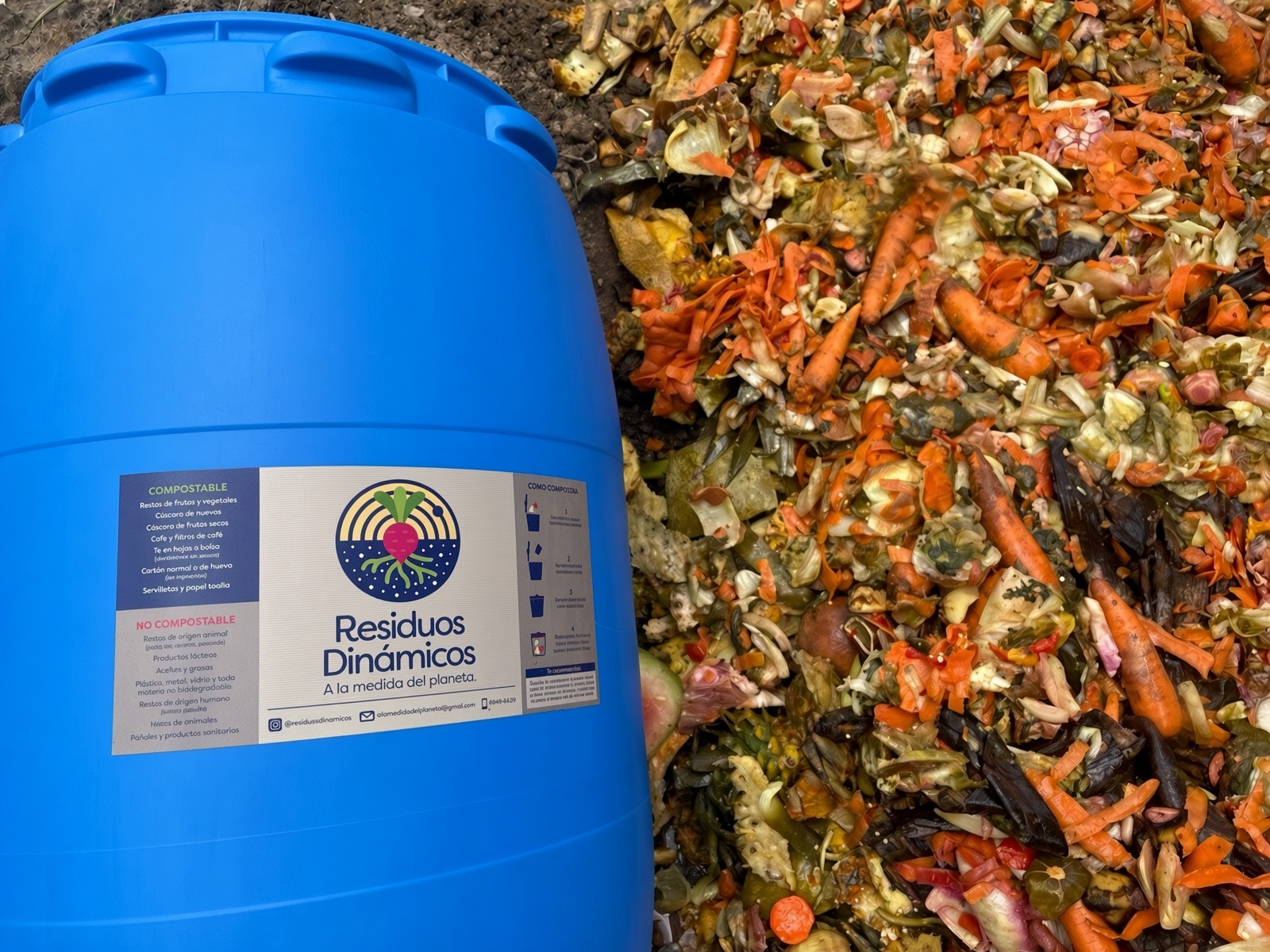
We take your kitchen scraps in tanks. Zero bags.
We start with one location. We install returnable tanks, run a route, weigh every pickup, and leave a clean tank. You get the kilos each month. You are not buying a program.
Tanks in your kitchen. We pick up. We weigh. Zero bags. Start with one location.
170.5 t
diverted from landfills each year
7,200 lb
of bokashi produced every week
5 · 35 · 55 gal
returnable tanks in the kitchen
0
plastic bags: returnable tanks and sacks only
The problem in your kitchen
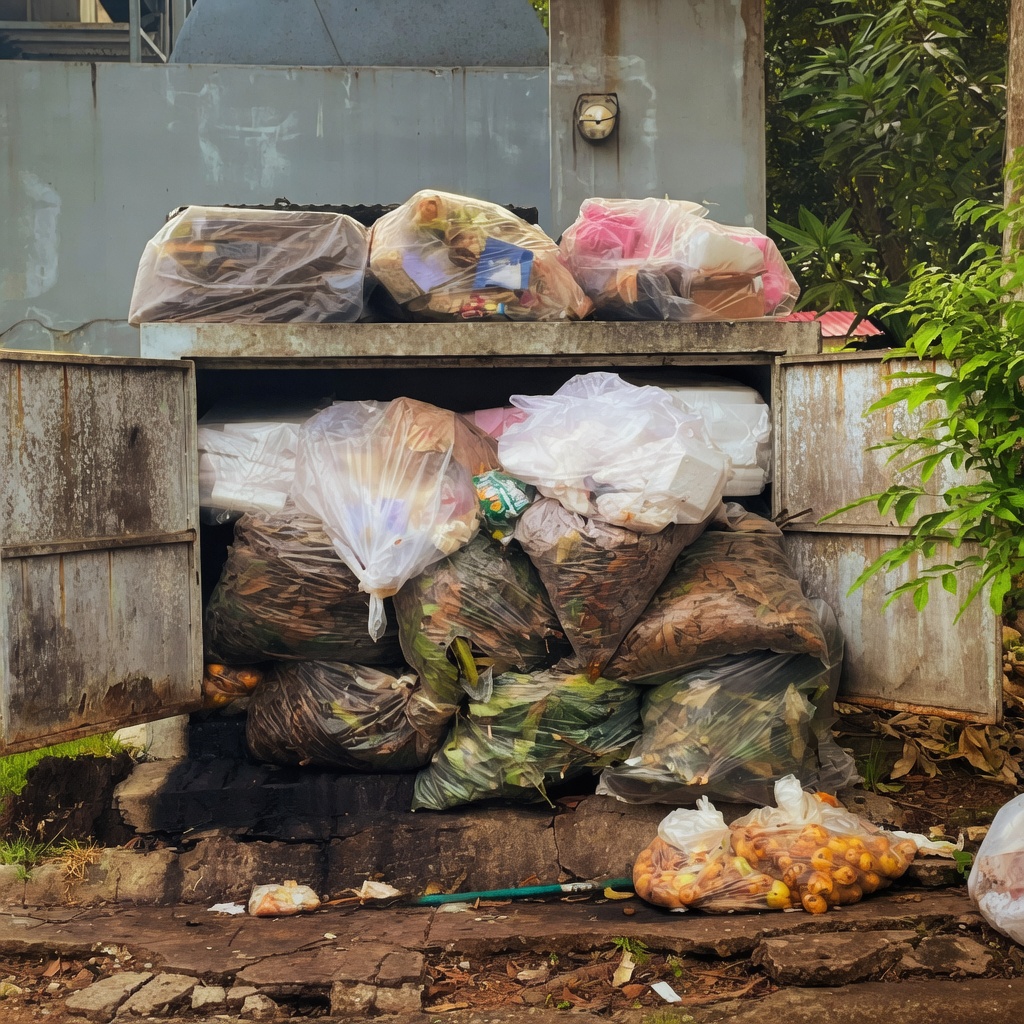
The black bag is not a system. It is a smell, a weight, and a cost.
Every night your kitchen makes peels, pulp, coffee, and trimmings. They go in mixed trash, they smell, and you have no number to hand over. We take only the organics, in tanks, and we give you the weight back.
What we do at your location
Tanks, a route, and kilos. The fertilizer is what we do after.
You do not compost. You put organics in the tank. We pick it up, weigh it, and turn it into bokashi. Zero plastic bags.
01
If you run a restaurant, café, or hotel.
Tanks of 5, 35, and 55 gallons in the kitchen. Peels, vegetables, coffee, and filters. Dairy and oil stay out. At each pickup we take the full tank and leave a clean, disinfected one. You open BioLoop and see how many kilos you recycled.
55-gallon tank. Weekly pickup and tank swap. $40 / month.
02
If you are a household or a neighborhood board.
Smaller tanks at home, or a covered tank at a clean point or board. On Vía Argentina a board tank is already on the route. The neighbor deposits and closes the lid. We weigh. The household or board sees how many kilos were recycled.
Home: 5-gallon tank. Weekly pickup and tank swap. $14 / month.
Board/junta: no fixed price on this page; message us with the tank size (15 or 45 gallons).
03
If you run a fair, office, or event.
We set tanks at the venue, pick up on event days or on the route, weigh, and deliver a kilo report. For anyone who needs kilos from a scale, not a poster. Includes fairs and events like World of Coffee: staging capacity, not a signed contract on this page. No event price printed here.
How it works
From kitchen to soil, in four steps.
At the first location: we install tanks, train whoever is in the kitchen, set the route day, and measure a baseline. In weeks it is running.
Separation
We place returnable tanks in the kitchen. Staff deposit organics only: fruit, vegetables, coffee, eggshells.
Collection
We come on a scheduled route. We weigh, log, take the full tank, and leave a clean one.
Bokashi
On the farm we ferment the material in piles. Out comes a living fertilizer, nutrient-comparable to synthetics.
Return
Bokashi feeds local soils. You receive diverted-kg and avoided-CO₂e metrics for ESG reporting.
Services
Organic collection for restaurants, cafés, and hotels.
Businesses
Commercial organic collection
Designed for restaurants, cafés, hotels, and production kitchens. 5, 35, and 55-gallon tanks, optimized routes, zero plastic bags. We weigh every pickup and return a monthly validation.
We also collect
Grün partnership
Inorganics: cardboard, paper, glass and plastic
We partner with Grün Panama to collect inorganics: cardboard, paper, glass and plastic. Together we offer a full recycling solution — organics return to soil; inorganics enter the recycling chain.
Landscaping
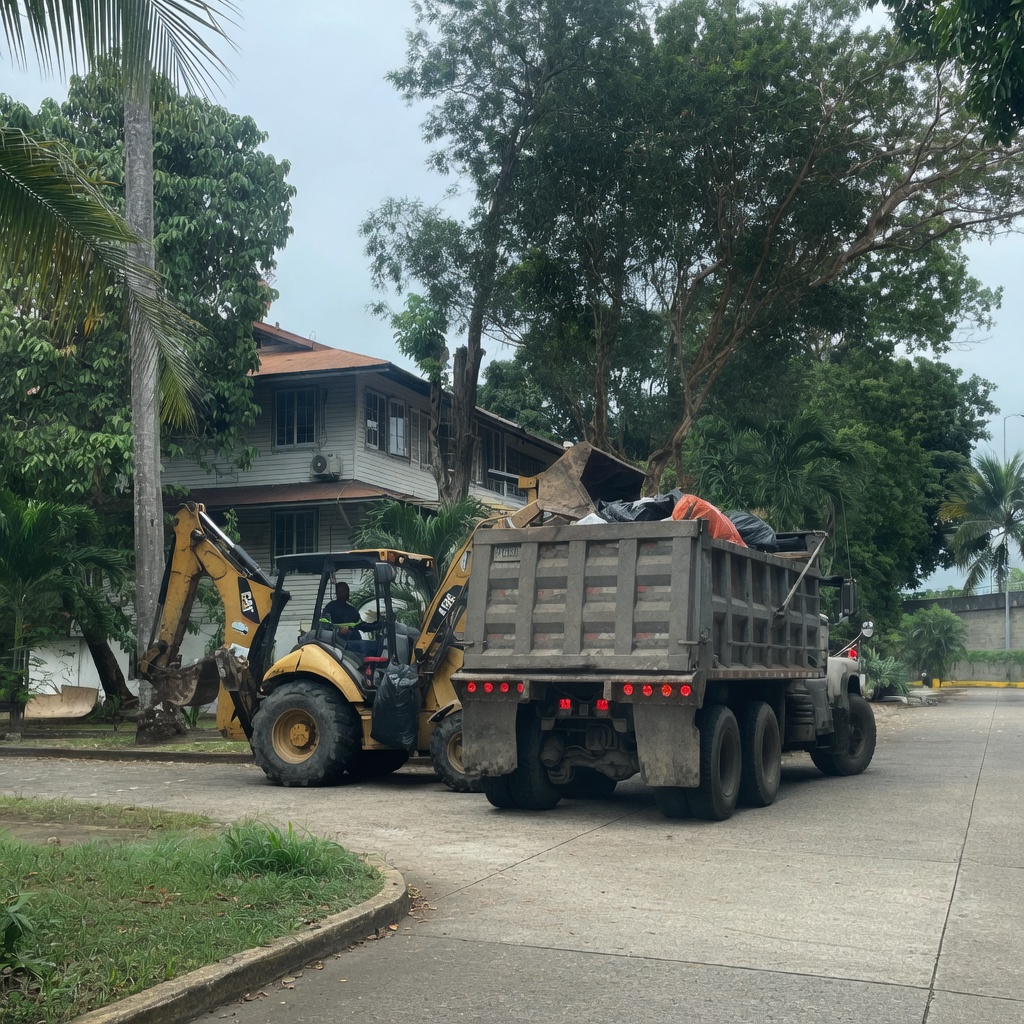
Garden waste with validation
Prunings, leaf litter, and landscaping leftovers. We weigh them, keep them out of the landfill, and issue monthly documents that certify the transformation.
What sets us apart
What we do with the waste
We don’t just take it away from the landfill. We turn it into fertilizer, dye, and community.
Agriculture
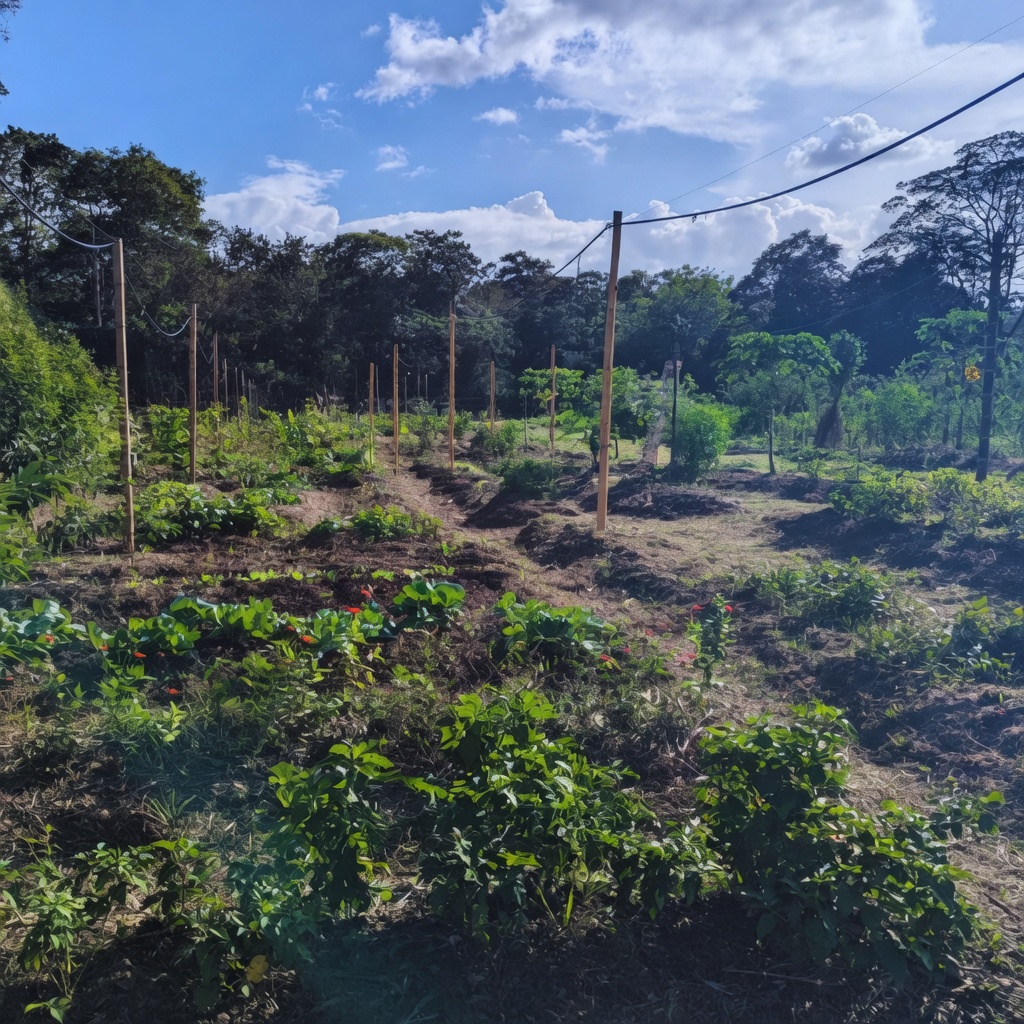
High-value bokashi
7,200 lb of bokashi every week. A living fermented fertilizer for organic farms and gardens. Compost reactivates soils and cuts dependence on imported synthetics.
Dyes
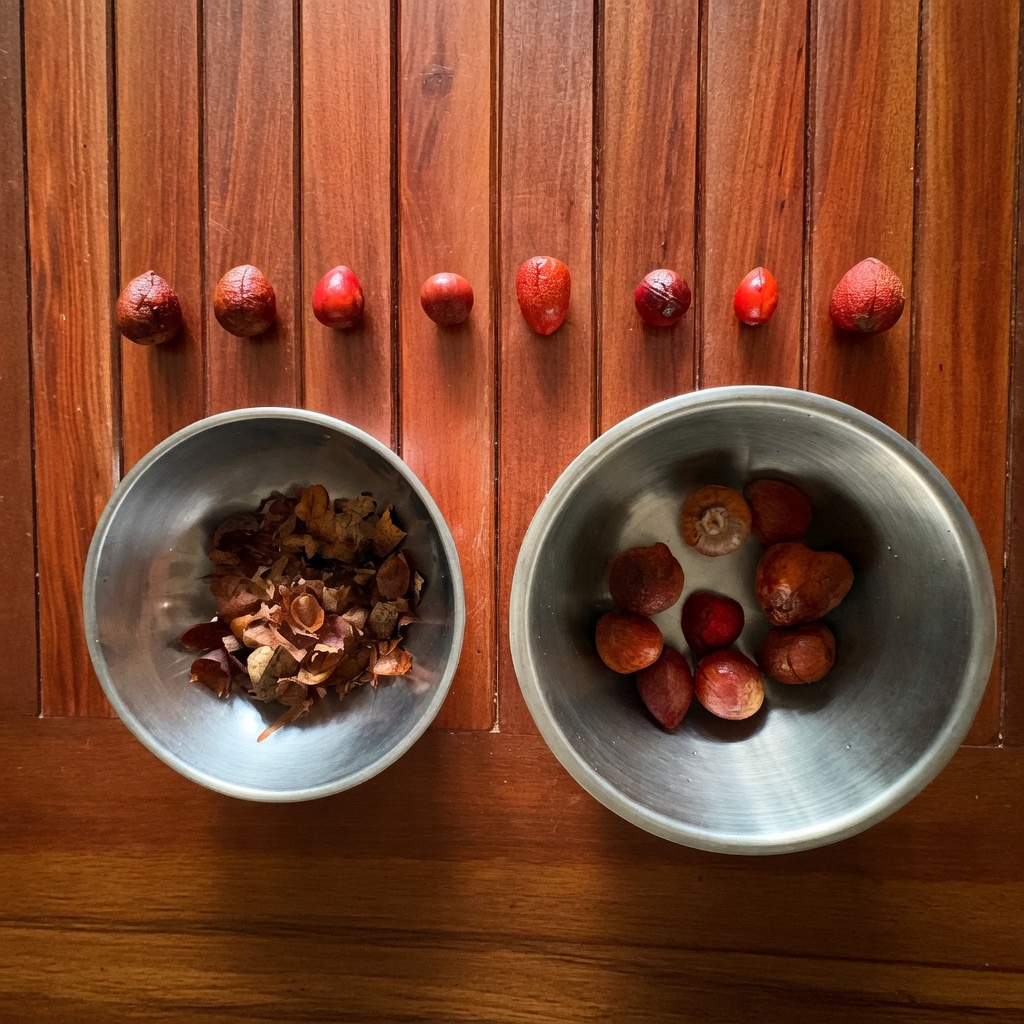
From waste to dye
Kitchen residues become natural dyes for clothes, curtains, cushions, and sheets — no industrial chemicals. The cycle does not stop at fertilizer.
Community
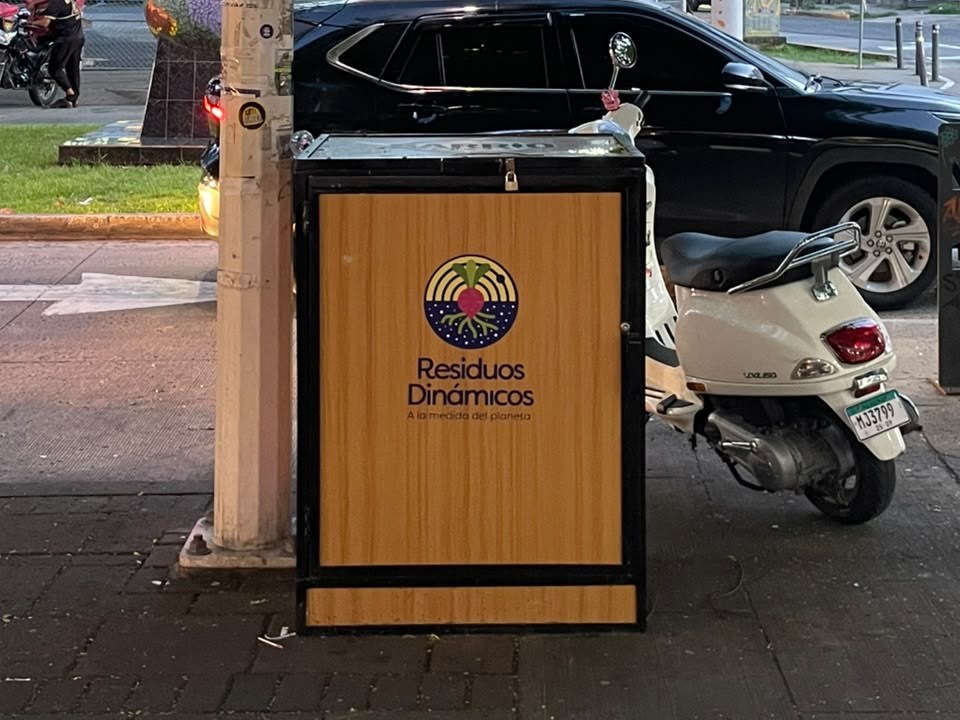
Neighborhood composting & education
Hyperlocal programs — Barrio Pizza, Vía Argentina, and 15 hero households on 5-gallon tanks since November 2024. Workshops, drop-off points, communal boards.

Orgánica Bites
From cup to planter
At Orgánica Bites, customers drop used smoothie cups into a labeled tank. We take them to the farm and reuse them as plant pots: the plastic stays out of the landfill and becomes a home for a plant.
What we already collected
Everything on the scale so far.
Combined total of every client on the route. Kitchen, coffee, sludge, neighborhood. From BioLoop, not an estimate.
Route total
371.5 tonnes
Metric tons kept out of landfill, weighed at pickup. Restaurants, cafés, Corpeisa, Vía Argentina and the rest of the route.
295 tonnes
of CO₂e that did not go out. Factor 0.794 per kilo, the same one BioLoop uses.
21,789
equivalent trees. That is how this weight reads when someone wants a green number.
3,492
Panama–David drives in car exhaust that was not emitted.
Partners
These companies are already on the route.
Orgánica Bites, El Trapiche, Lost Origin, Green Jardines, Natuviva, Barrio Pizza, Keene’s, Corpeisa, and Lisete. Every kilo is weighed.
Organics + cups into planters
Orgánica Bites
BioLoop
Every kilo is weighed. You see the impact.
It is a web app that keeps the weighing record. It is called BioLoop. Each pickup goes on the scale and stays visible: waste type, client, trend, and impact.
- A record of every weighing: kitchen, garden, coffee, and households.
- Metrics by client, by week, and by waste type.
- Cumulative impact: kilos diverted and CO₂e avoided.
- The number comes from the scale, not an estimate.
ESG and social responsibility
If headquarters wants figures, not slogans: kilos per location, every month.
Headquarters want numbers, not slogans. Residuos Dinámicos runs the full loop in-country: we collect, we transform, and we give you monthly evidence for the sustainability report, audit, and CSR committee.
E — Environmental
We recycle organic waste to practice organic agriculture: we keep it out of landfill (less methane and CO₂e), turn it into bokashi and return nutrients to the soil. With Grün we also channel inorganics. On our farm we run planting days of native trees and fruit trees to help compensate the company’s carbon footprint.
S — Social
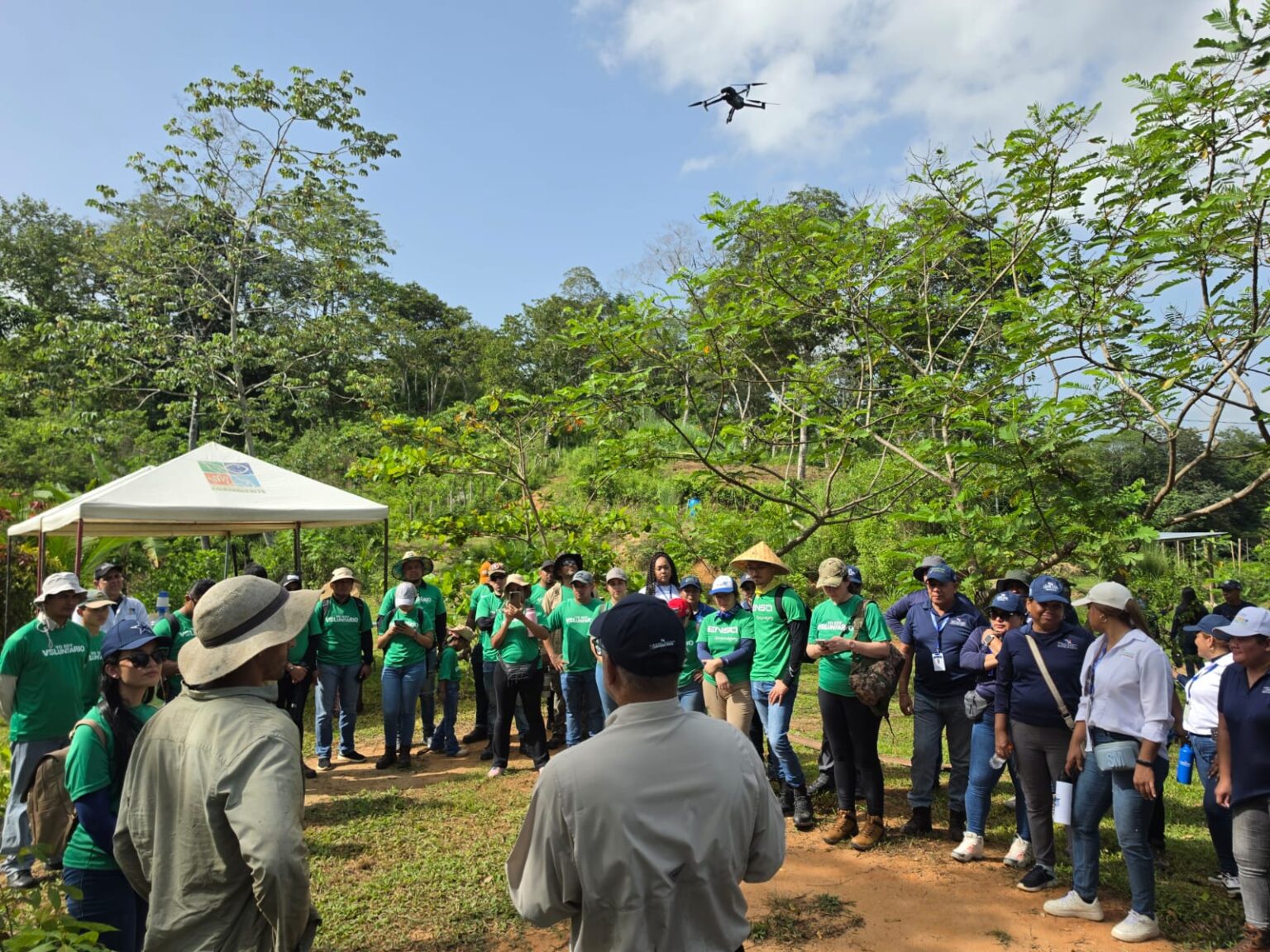
Your team can volunteer on our farm: planting native trees and fruit trees, June to December. People, hours and trees go into the CSR report. Local organic farming and neighborhood composting programs complete the link to the territory.
G — Governance
Client-level traceability: kilos by waste type, avoided emissions, proof of transformation. Ready for GRI, CDP, annual reports, and internal zero-waste targets.
Hotels, retail, food service, processing plants, and offices: one local partner to meet the global policy without improvising in Panama.
Talk about your ESG programContact
Let’s start with one location.
Tell us the location and the area. In weeks: tanks, a route, and a kilo baseline.
WhatsApp +507 6949-6639
Email alamedidadelplaneta@gmail.com
Instagram @residuosdinamicos
LinkedIn Residuos Dinámicos
Panama · Parque Lefevre · FAB LAB Universidad Tecnológica de Panamá
FAQ
Full-cycle waste recycling in Panama
Do I have to change the whole operation?
No. We start with one location. Tanks, a route, and a baseline. If it does not work, it does not scale.
Do we use bags?
No. Returnable tanks and sacks. Zero plastic bags.
What does Residuos Dinámicos recycle?
Kitchen organics (peels, fruit, flours, vegetable trimmings, coffee pulp), garden prunings (grass, branches, trunks, palms) and inorganics with Grün Panama: glass, plastic, cardboard, paper and oils.
Why is it a full-cycle solution?
We don’t only collect. We turn organics into bokashi and natural dyes, send inorganics into recycling, and deliver monthly reports of kilos and avoided emissions. One local partner for the whole loop.
Does this work for national and multinational ESG targets?
Yes. We operate in Panama with client-level traceability: diverted waste figures, methane and CO₂e avoided, and proof of transformation. Useful for CSR, GRI, CDP and headquarters annual reports.
Where do you operate?
Panama City and nearby. Commercial collection, landscaping, processing plants, cafés, restaurants, households and neighborhood programs such as Vía Argentina.
How do we start?
WhatsApp +507 6949-6639 or alamedidadelplaneta@gmail.com. We start with one site, measure a baseline, and leave tanks and a route.
Do you offer organic recycling in Panama?
Yes. Returnable tanks, a route in Panama City, kilos from the scale, and bokashi at the farm. That figure belongs in sustainability, CSR and ESG reports. It is not a Verra credit. Organic recycling for companies.